

What is the average lifespan of a crankshaft sensor?
The average lifespan of a crankshaft sensor can vary widely depending on several factors. As a supplier of Crankshaft Sensor, I've had the opportunity to observe these components in various automotive applications and understand the elements that influence their longevity.
Understanding the Crankshaft Sensor
Before delving into the average lifespan, it's crucial to understand what a crankshaft sensor does. The crankshaft sensor is a vital part of an engine's management system. It monitors the position and rotational speed of the crankshaft. This information is sent to the engine control unit (ECU), which then uses it to control ignition timing and fuel injection. Without accurate data from the crankshaft sensor, the engine may not run smoothly, or it may even fail to start.
The construction of a crankshaft sensor also plays a role in determining its lifespan. There are different types of crankshaft sensors, such as magnetic and Hall - effect sensors. Magnetic sensors use a magnetic field to detect the position of the crankshaft, while Hall - effect sensors use the Hall effect to generate a signal. The quality of the materials used in manufacturing these sensors, as well as the design, can significantly impact how long they last.
Factors Affecting the Lifespan of a Crankshaft Sensor
1. Driving Conditions
One of the most significant factors affecting the lifespan of a crankshaft sensor is the driving conditions. If a vehicle is frequently driven in stop - and - go traffic, the engine has to work harder, and the sensor may experience more stress. The constant acceleration and deceleration can cause vibrations and temperature fluctuations, which can gradually degrade the sensor over time.

On the other hand, vehicles that are mainly used for highway driving tend to put less stress on the crankshaft sensor. The engine operates at a more consistent speed, and there are fewer sudden changes in load. This can result in a longer lifespan for the sensor.
2. Environmental Conditions
Environmental factors also play a crucial role. In areas with high humidity, the sensor may be more prone to corrosion. Moisture can penetrate the sensor housing and damage the internal components. Similarly, if a vehicle is driven in dusty or dirty environments, dirt and debris can accumulate on the sensor, affecting its performance and potentially shortening its lifespan.
Extreme temperatures can also have an impact. In very hot climates, the sensor may overheat, which can cause the internal components to expand and contract, leading to premature failure. In cold climates, the sensor may become brittle, increasing the risk of damage.
3. Quality of the Sensor
The quality of the crankshaft sensor itself is a major determinant of its lifespan. High - quality sensors are typically made with better materials and more precise manufacturing processes. They are designed to withstand the rigors of engine operation and are less likely to fail prematurely.
As a supplier, we take great pride in offering high - quality Crankshaft Sensor that are built to last. Our sensors are rigorously tested to ensure they meet or exceed industry standards.
4. Maintenance and Care
Proper maintenance of the vehicle can also extend the lifespan of the crankshaft sensor. Regular oil changes, for example, can help keep the engine running smoothly and reduce the amount of stress on the sensor. Additionally, keeping the engine clean and free of debris can prevent dirt from getting into the sensor and causing damage.
Average Lifespan Estimates
Based on our experience and industry data, the average lifespan of a crankshaft sensor is typically between 80,000 and 120,000 miles (128,000 - 193,000 kilometers). However, it's important to note that this is just an estimate. Some sensors may last longer, especially if they are of high quality and the vehicle is driven under favorable conditions. Conversely, some sensors may fail earlier, particularly if they are exposed to harsh driving or environmental conditions.
Signs of a Failing Crankshaft Sensor
It's essential for vehicle owners to be aware of the signs of a failing crankshaft sensor. Some common symptoms include:
- Engine misfires: If the sensor is not providing accurate data to the ECU, the engine may misfire, resulting in a rough idle or poor acceleration.
- Difficulty starting the engine: A faulty crankshaft sensor may cause the engine to have trouble starting, or it may not start at all.
- Stalling: While driving, the engine may suddenly stall if the sensor fails.
- Decreased fuel efficiency: Inaccurate sensor data can lead to improper fuel injection, causing the vehicle to consume more fuel than normal.
If any of these symptoms are noticed, it's important to have the vehicle inspected by a qualified mechanic as soon as possible. Ignoring a failing crankshaft sensor can lead to more serious engine problems and potentially costly repairs.
Our Product Range and Advantages
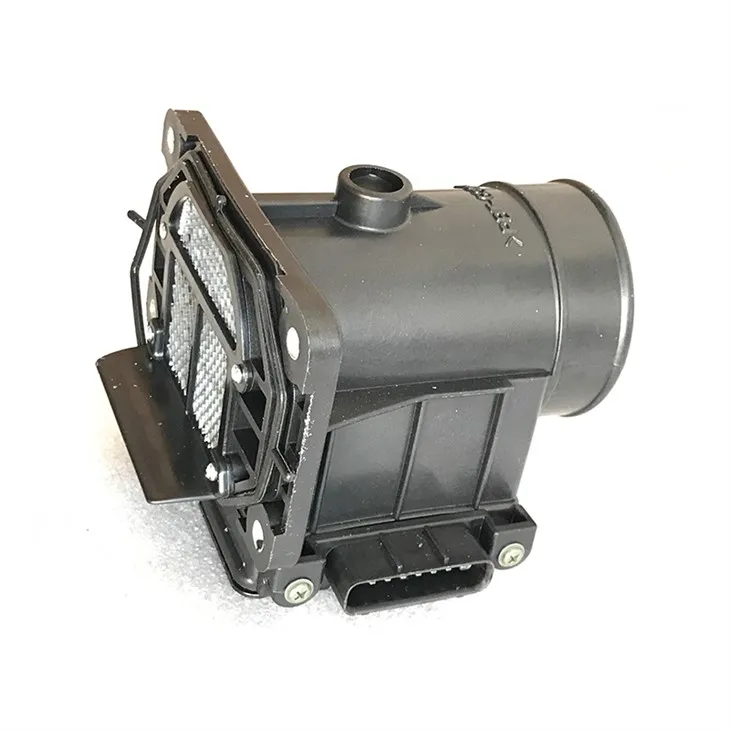
In addition to our high - quality Crankshaft Sensor, we also offer other automotive sensors. For example, our Tps Sensor 22620 - 4M501 for NISSAN ALMERA and Air Flow Meter E5T05471 FOR MAZDA are designed to provide accurate and reliable performance.
All of our products are backed by our commitment to quality and customer service. We understand the importance of having reliable automotive sensors, and we strive to provide our customers with the best products at competitive prices.
Contact Us for Procurement
If you're in the market for automotive sensors, whether it's a crankshaft sensor, a TPS sensor, or an air - flow meter, we'd love to hear from you. Our team of experts can provide you with detailed information about our products, answer any questions you may have, and help you find the right sensor for your needs. Don't hesitate to reach out for procurement and start a productive business洽谈.
References
- Automotive Engineering Handbook, various editions
- Technical bulletins from major automotive manufacturers
- Industry research reports on automotive sensor technology