

Master Cylinder
What Is Brake Master Cylinder
A Brake Master Cylinder is a key component of a hydraulic brake system. It is responsible for converting the energy from the brake pedal into hydraulic pressure, which is then used to apply the brakes. The Brake Master Cylinder is typically a cylindrical container that contains a piston, which is connected to the brake pedal. When the brake pedal is pressed, it causes the piston inside the master cylinder to move and push brake fluid through the brake lines, which actuates the brake pads or shoes. The brake master cylinder is a critical component for safe and effective braking in a vehicle.
Advantages of Brake Master Cylinder
Efficient Braking: The Brake Master Cylinder is a crucial component in the braking system of an automobile. It effectively multiplies the force applied by the driver and uses this force to apply the required pressure to the brake calipers or drums. This results in efficient braking, ensuring that the vehicle stops when required.
Safety: The braking system is one of the most important safety features in an automobile. A faulty Brake Master Cylinder can result in reduced brake performance, leading to longer stopping distances and potentially causing accidents. A well-maintained and functioning Brake Master Cylinder ensures maximum safety for both the driver and passengers.
Safety: The braking system is one of the most important safety features in an automobile. A faulty Brake Master Cylinder can result in reduced brake performance, leading to longer stopping distances and potentially causing accidents. A well-maintained and functioning Brake Master Cylinder ensures maximum safety for both the driver and passengers.
Reliable Resistance: A BMC provides the necessary resistance to brake pedals, making it easier and more consistent to stop the vehicle. This ensures that you can slow down or stop the vehicle whenever you need to, which is critical to your safety.
Ease of Maintenance: Brake Master Cylinder maintenance is relatively easy and it is an essential part of your vehicle’s braking system, which means that the wear and tear are quite normal. Regular maintenance helps ensure the brake system performs optimally.
Control: The BMC allows you to control the pressure distributed throughout the braking system, thereby ensuring efficient and even distribution of brake force between the front and rear brakes. This improves stability and overall handling of your vehicle.


Why Choose Us
Professional team
Professional sales team and engineer team provide professional technical Support,Test video and Sample support
Rich Experience
Our company has many years of production work experience. The concept of customer-oriented and win-win cooperation makes the company more mature and stronger.
High Quality
Our products are manufactured or executed to very high standards, using the finest materials and manufacturing processes.
Advanced Equipment
Equipment based on the latest technological developments has higher efficiency, better performance and stronger reliability.
One-stop Solution
From the begining inquiry and throughout the entire process until you receive the goods. we are dedicated to supporting you every step of the way.
Competitive Price
We have professional sourcing team and cost accounting team, stive to reduce cost and profit and provide you a good price.
Components of the Brake Master Cylinder
Reservoir
The master cylinder has a reservoir that stores brake fluid. This reservoir allows for the compensation of fluid loss due to wear of the brake pads or shoes over time. It also acts as a buffer against air entering the system, ensuring a consistent hydraulic supply.
01
Piston(s)
The master cylinder contains one or two pistons that move forward when the brake pedal is depressed. These pistons create the hydraulic pressure necessary for effective braking. Single-piston master cylinders are typically found in vehicles with front disc and rear drum brakes, while dual-piston master cylinders are common in vehicles with four-wheel disc brakes.
02
Return Spring
The return spring pulls the piston back into its resting position after braking. This is important for releasing the brake pressure between applications. Springs are often made of hardened steel for optimum durability.
03
Compensating Port
The compensating port is a small opening that allows fluid and pressure back into the cylinder as the brake pads wear down. This keeps the pedal from gradually sinking to the floor over time.
04
Seals
To prevent leakage of brake fluid, the master cylinder is equipped with rubber seals around the piston(s). These seals ensure a tight and reliable hydraulic system, maintaining proper braking performance.
05
How The Brake Master Cylinder Works
There are many moving parts that make up the brake master cylinder, and because it’s the heart of the brake system, its health and longevity is important. We’ll explain the role each part plays, making it easy to target a problem.
For every car that has disc brakes on their front wheels and drum brakes on their back wheels, they will also contain a proportioning valve. The purpose of this valve is to signal the drum brakes to engage first, followed by the disc brakes.
Next are the primary and secondary pistons. When you begin to press down on the brake pedal, the primary piston is triggered and begins to press down as well. Pressure will start to build in the master cylinder as you push farther down on the brake pedal. This pressure building between the primary and secondary piston will lead the secondary piston to compress the fluid.
The filler cap attached to the brake fluid reservoir has a tiny hole on the top that allows the fluid to fluctuate without causing pressure. It is important to keep this cap sealed to ensure that dust or moisture won’t seep in and contaminate the fluid.
The fluid level sensor helps keep track of how much fluid is in the brake reservoir. When a pressure imbalance occurs, your brake light will turn on, signaling that the reservoir should be checked.
Some of the indications of master cylinder malfunction to look out for include:
The Check Engine Light
When you step on the brake pedal, pressure is sent to the master cylinder, which pushes the pistons in the cylinder. All of this pushing moves brake fluid via the brake lines to the braking components in each of the wheels.
A sensor located beneath the brake fluid reservoir communicates with the car’s internal computer to determine whether or not there is enough fluid in the reservoir. When this occurs, the computer activates the warning light on your Toyotas dashboard. Although this is the most obvious indication of a faulty master cylinder, it isn’t the only cause of warning light illumination. The brake fluid sensor can also malfunction, causing the brake warning light to illuminate.
Brake Pedal Feels Odd
When there is an issue with the brake master cylinder, the brake pedal will respond abnormally. The master cylinder generates all of the braking system pressure. If it fails, the cylinder does not distribute pressure adequately, causing the pedal to malfunction. When you continue to drive your vehicle with a faulty cylinder, it will wear down and begin to leak. When pushed, the pedal would feel spongy and mushy, and it may sink far down.
A working brake pedal should have a firm feel when depressed. The master cylinder must provide the appropriate hydraulic pressure level in the braking system for it to activate the brake in the front and back wheels. Though a faulty seal is the major cause of a mushy brake pedal, the air in the brake lines could also be responsible since air bubbles hinder the fluid from flowing efficiently. Brake line damage and corrosion can also cause the pedal to feel mushy when depressed.
Brake Fluid Leakage
If you see any leaks from the master cylinder, this might suggest a problem with the cylinder. The cylinder requires an appropriate volume of braking fluid to produce enough pressure to stop the vehicle. It will be nearly impossible to stop the car if the fluid is gone.
Brake Fluid Gets Contaminated
If your braking fluid becomes contaminated, it indicates that the master cylinder is malfunctioning. The master cylinder has rubber seals that wear and break down over time. Damaged rubber seals may break apart and facilitate brake fluid contamination in addition to making the brake pedal feel mushy.
Dirt, water, debris, and other particles will make their way through the hole of a defective seal. When these pollutants mix with the braking fluid, they impact the hydraulic pressure, making it difficult to stop the car.
What Is The Function Of a Brake Master Cylinder In a Car's Braking System
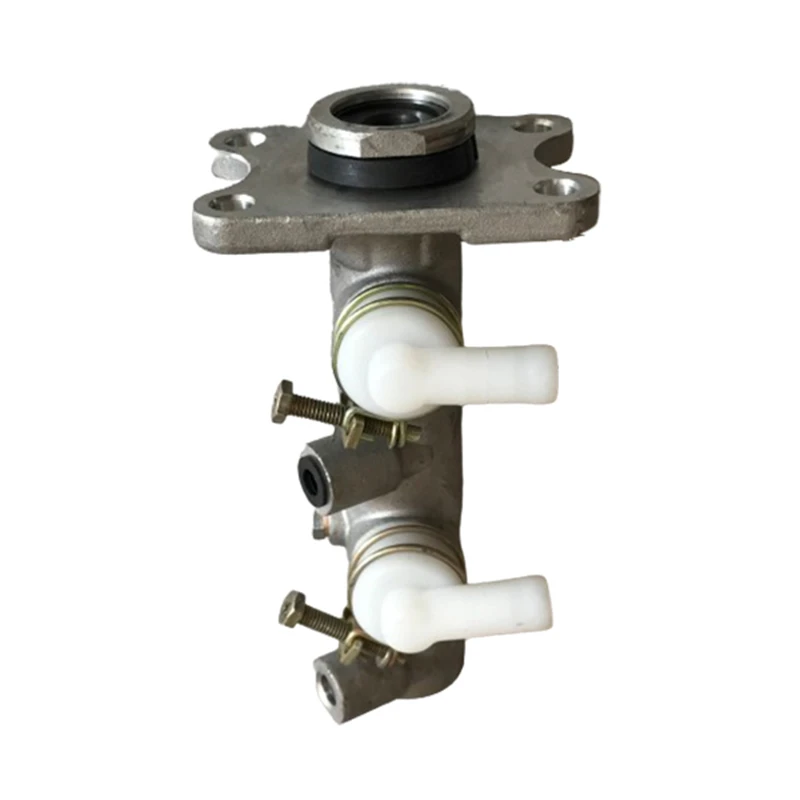
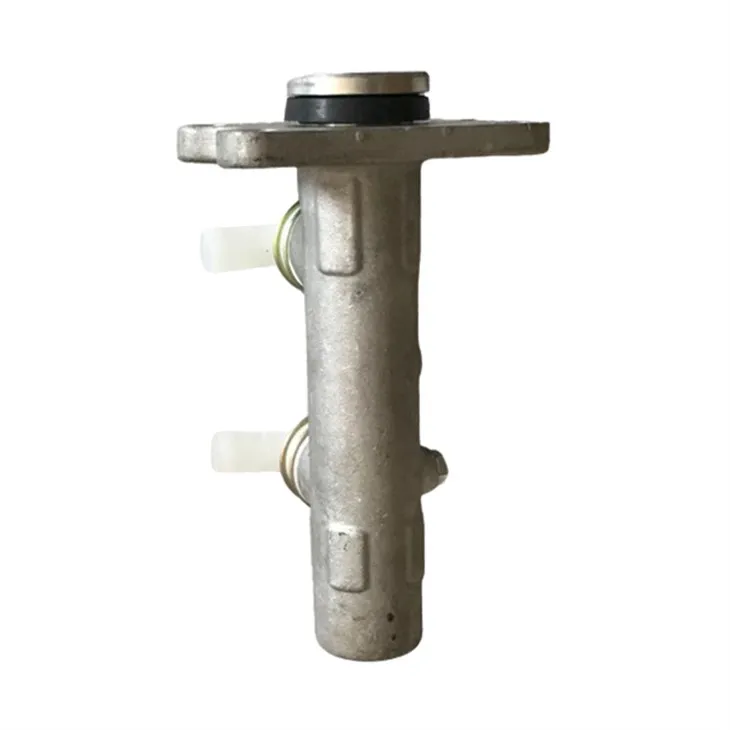
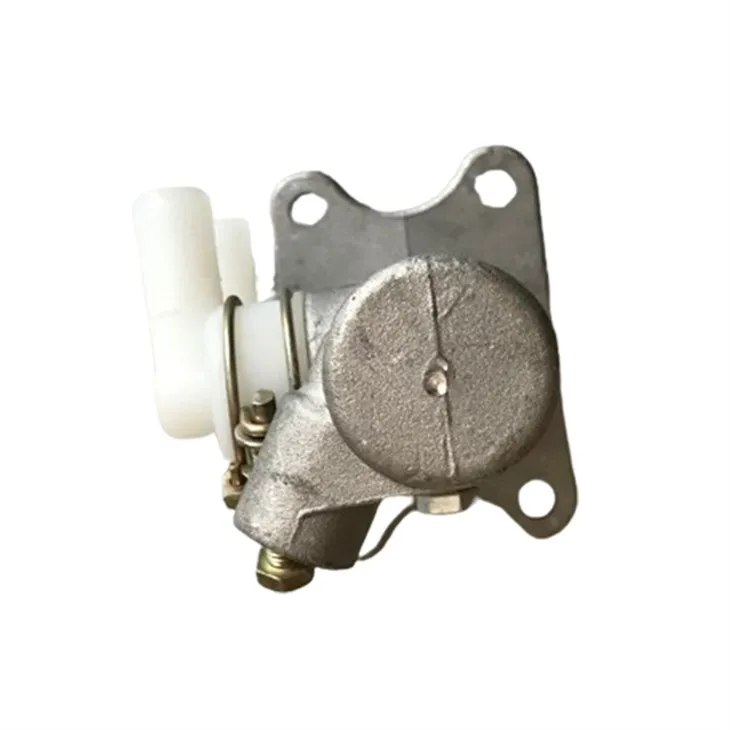
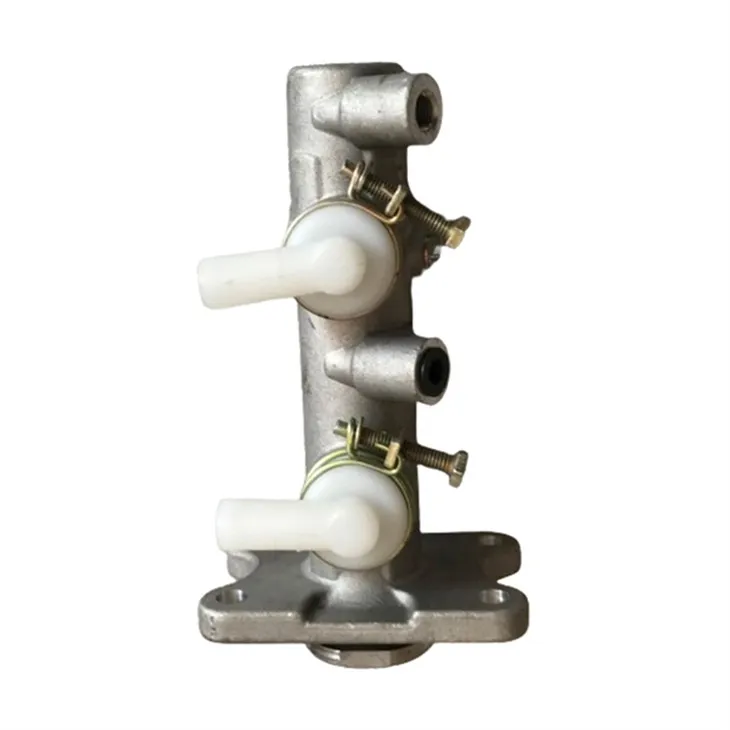
The brake master cylinder is a vital component in a car's braking system. It is responsible for converting the force applied to the brake pedal into hydraulic pressure that activates the brake calipers.
The brake master cylinder is located in the engine compartment and is connected to the brake pedal and the brake lines. When the brake pedal is pressed, it pushes a piston in the brake master cylinder. This piston forces the brake fluid in the cylinder to move, which creates hydraulic pressure. The hydraulic pressure is then transmitted to the brake calipers, which apply the brakes to the wheels.
The brake master cylinder is a hydraulic system, which means that it uses liquid to transmit force. The brake fluid is a special type of fluid that is designed to resist boiling and freezing. It is also designed to be non-compressible, which is important for ensuring that the brake pressure is transmitted evenly to all of the wheels.
The brake master cylinder is a complex component, but it is essential for the safe operation of a car's braking system. If the brake master cylinder fails, the brakes will not work properly, which can lead to a serious accident.
Here are the key functions of a brake master cylinder
•Converts the force applied to the brake pedal into hydraulic pressure.
•Transmits hydraulic pressure to the brake calipers.
•Ensures that all of the wheels receive the same amount of brake pressure.
•Protects the brake system from damage.
The brake master cylinder is a wear item and will need to be replaced periodically. The frequency of replacement will depend on the make, model, and year of the car, as well as the driving conditions. It is important to follow the manufacturer's recommendations for brake master cylinder replacement.
If you notice any problems with your car's brakes, such as a spongy brake pedal or a decrease in braking power, it is important to have the brakes checked by a qualified mechanic. The brake master cylinder may be the cause of the problem, but it is important to have the entire braking system inspected to ensure that the problem is properly diagnosed and repaired.
Steps To Replace a Brake Master Cylinder
Set aside at least a few hours to replace your brake master cylinder. Even if you’re an experienced tech of backyard mechanic, there’s always the potential for a stage of the process to go sideways.
1. Prepare The Vehicle
Before you can replace a brake master cylinder, get your vehicle ready, and use safety equipment such as eyewear and protective gloves before starting any type of automotive repair or maintenance. You will also need to elevate the vehicle in order to properly access the brake calipers or wheel cylinders after the repair, so use jacks and stands for this task.
Also be sure to set the parking brake and loosen the wheels’ lug nuts while your vehicle is still on the ground - this way they’re easier to remove when you lift up your car or truck.
2. Remove The Old Master Cylinder
Before installing a new brake master cylinder, the old one needs to be removed. First, locate the brake lines connected to the master cylinder. Once you’ve identified these, use an appropriate wrench or socket along with some penetrating oil and carefully loosen each line until they can be removed without any debris getting inside of them.
Finally, unscrew the mounting bolts that attach the master cylinder itself and then pull it away from its position.
Put the old master cylinder in a drain pan to prevent brake fluid from dripping. It can damage any painted surfaces in seconds.
3. Install The New Master Cylinder
Before installing the new master cylinder, make sure you’ve thoroughly cleaned the area inside the engine compartment. Then, bench bleed the new master cylinder by pressing the plunger for 10 to 15 seconds at a time until it no longer can be pressed in more than 1/8-inch.
Transfer hydraulic lines from the old master cylinder if necessary, then install it onto the brake booster, making sure that it’s evenly tightened on both sides. Once secure, tighten the brake lines in place. Test for any leaks before bleeding your brakes. Finally, don’t forget to top up your brake fluid reservoir afterward.
4. Bleed The Brakes
After the brake master cylinder has been successfully installed, it is essential to bleed the brakes to ensure you have a consistent brake feel and the right performance. It’s a good practice to start bleeding the brakes at the wheel farthest from the master cylinder and then move around to each wheel in the next closest proximity until all of them have had their brakes bled. During this process, either a second person or a brake bleeder kit should be used.
And you’re finished when there are no air bubbles left coming out of the lines. If this procedure is followed correctly, you can rest assured that your vehicle will have effective brakes.
How Do You Test a Brake Master Cylinder
There are two basic tests you can perform to verify proper operation of the brake master cylinder.
1. In The Car: With the brake system bled, pump the brakes a few times and hold. The brake pedal should be firm. If the brake pedal is spongy, this could indicate air remaining in the lines or a mechanical problem, such as a sticking brake caliper slider. Bleed the brake system again and verify the calipers are moving freely.
On the other hand, if the brake pedal slowly drops, this could indicate a leak. If the pedal drops more suddenly, this is a sure sign that pressure is escaping backwards through one of the internal seals.
Brake fluid leaks at the seals (highlighted in green) are easily overlooked.
2.On The Bench: You can perform a similar test when inspecting a new or remanufactured unit or after removing the existing unit. Start with a bench bleed to remove all air from the master cylinder, then remove the bench bleed fittings and block the ports with bolts - do not over-torque the bolts. Use a screwdriver to press and hold the plunger in the rear of the master cylinder. The plunger should be very firm, if not immovable, past a few millimeters. If the plunger keeps moving in, this indicates a fault of at least one of the internal seals.
Brake Master Cylinder Parts
The master cylinder parts include:
Proportioning Valve
This valve makes the drum brakes engage first, before the disc brakes. This applies to vehicles with disc brakes on the front wheels and drum brakes on the rear wheels.
Primary And Secondary Pistons
The primary piston triggers when you press down on the brake pedal; it also presses down as you press harder on the brake pedal, and pressure in the brake cylinder increases. The secondary piston’s duty is to compress the brake fluid in line with the increase and decrease in the pressure between the primary and secondary pistons.
The Filler Cap
The brake fluid reservoir’s filling lid allows the fluid to fluctuate without producing pressure. Keep the top closed to avoid dust or moisture from entering to contaminate the fluid.
The Fluid Level Sensor
It aids in keeping track of the amount of fluid in the braking reservoir. When a pressure imbalance occurs, your brake light will be on, alerting you of the need to inspect the reservoir.
Pushrod
A lever and a piston are connected to the pushrod. When the brake lever is squeezed, it pushes the piston into the bore and slides.
Hosepipes
The braking fluid is transferred from the master cylinder assembly to the caliper assembly via a tube-type pipe.
Master Cylinder Reservoir
In a hydraulic braking system, the storage tank holds the brake fluid. The reservoir is positioned at its top. You must sufficiently fill the brake system with brake fluid to prevent air from entering the system.
Tips On Maintaining Brake Master Cylinder
Here are some tips on how to maintain the brake master cylinder:
Check Brake Fluid Levels Regularly
The brake master cylinder has a reservoir that holds brake fluid, and it's essential to check the brake fluid level regularly to ensure that it is at the correct level. A low brake fluid level can indicate a leak in the brake master cylinder or brake lines.
01
Inspect The Brake Master Cylinder For Leaks
Regularly inspect the brake master cylinder for any leaks or damage, such as rust or corrosion. If any leaks are found, it's crucial to have a professional mechanic repair or replace the brake master cylinder as soon as possible.
02
Flush The Brake Fluid
Over time, brake fluid can become contaminated with moisture, which can cause corrosion and damage to the brake system. To prevent this, it's recommended to flush the brake fluid every 2-3 years or as recommended in the vehicle's owner's manual.
03
Regularly Check The Brake System
Check the entire brake system for any issues, such as worn brake pads or rotors, leaks, or other problems. It's essential to address any issues promptly to prevent further damage or brake failure.
04
Have a Professional Mechanic Inspect The Brake Master Cylinder
Have a professional mechanic inspect the brake master cylinder and brake system regularly, especially during regular maintenance or check-up. They can detect any issues that you may not be able to see and can perform any necessary repairs or replacements.
05
Kingko Industrial Co., Ltd was established in 2015, located in Suzhou, China(nearby Shanghai). Our company specialized in full range of spare parts exporting. Our Team have been in this filed more than 8 years. After years of development, the company has created a wealth of experience in sales and after-sales service team,and win a very high reputation in our customers. We have our own factory and warehouse, factory visit is weclomed.
FAQ
Q: What is the function of the brake master cylinder?
Q: How does a brake master cylinder work?
Q: How to check the brake master cylinder?
Q: What are the precautions for replacing the brake master cylinder?
Q: How to maintain the brake master cylinder?
Q: Can a faulty brake master cylinder affect safety?
Q: What is the function of the piston in a BrakeMaster Cylinder?
Q: What are the types of brake master cylinders?
single-cylinder and dual-cylinder. The single-cylinder design has one piston, while the dual-cylinder design has two pistons to increase braking power.
Q: What is the difference between a single-diaphragm and a dual-diaphragm Brake Master Cylinder?
Q: What is the brake master cylinder?
Q: Where is the Brake Master Cylinder located in a vehicle?
Q: How do I bleed my brake system after replacing the master cylinder?
Q: Can a faulty brake master cylinder cause my vehicle to stop suddenly?
Q: Can a Brake Master Cylinder be bled?
Q: Can a Brake Master Cylinder failure be prevented?
Q: What kind of Brake fluid should I use with my Brake Master Cylinder?
Q: What are the signs of a failing brake master cylinder?
Q: What is the purpose of the brake master cylinder?
Q: How do you check the Brake Master Cylinder for proper fluid flow?
Q: What are the benefits of using a dual-stage Brake Master Cylinder?
As one of the leading brake master cylinder suppliers in China, we warmly welcome you to wholesale cheap brake master cylinder in stock here from our factory. All customized products are with high quality and low price. For free sample, contact us now.
Electric Water Pump for Bmw E90, Electric Water Pump 11517586925, 96626762