

Fuel Pump
What Is Fuel Pump
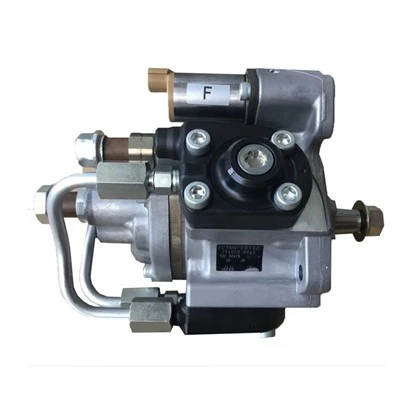
Mechanical, electric, and high-pressure fuel pumps are the three types of fuel pumps. A fuel pump is a fluid handling device that moves gasoline from the fuel tank to the engine. It’s often found in internal combustion engines. The fuel pump in spark-ignition engines transports gasoline from the tank to the fuel bowl, where the carburetor mixes the fuel with air and transports it to the engine’s combustion chamber.
Advantages of Fuel Pump
Increased Fuel Efficiency/Tank Range: A fuel pump ensures that the engine receives the right amount of fuel required for optimal combustion, which leads to increased fuel efficiency and a longer tank range.
Improved Engine Performance: The fuel pump is responsible for supplying fuel to the engine at a consistent rate, which leads to improved engine performance and acceleration.
Reduced Emissions: A malfunctioning fuel pump may cause the engine to consume more fuel than necessary, leading to increased emissions. A properly functioning fuel pump ensures that the engine receives the right amount of fuel required for optimal combustion, leading to reduced emissions.
Enhanced Vehicle Reliability: A faulty fuel pump can cause engine misfires, stalling, and other performance issues that can lead to reliability problems. Proper maintenance of the fuel pump ensures that the engine runs smoothly and reliably.
Quick Start-Ups: A fuel pump ensures fuel reaches the engine quickly, which leads to easy and quick start-ups, especially during cold weather.
Improved Safety Levels: A properly functioning fuel pump ensures that the engine runs smoothly and reliably, leading to enhanced safety levels for passengers and the surroundings



Why Choose Us
Professional team
Professional sales team and engineer team provide professional technical Support,Test video and Sample support
Rich Experience
Our company has many years of production work experience. The concept of customer-oriented and win-win cooperation makes the company more mature and stronger.
High Quality
Our products are manufactured or executed to very high standards, using the finest materials and manufacturing processes.
Advanced Equipment
Equipment based on the latest technological developments has higher efficiency, better performance and stronger reliability.
One-stop Solution
From the begining inquiry and throughout the entire process until you receive the goods. we are dedicated to supporting you every step of the way.
Competitive Price
We have professional sourcing team and cost accounting team, stive to reduce cost and profit and provide you a good price.
Types of Fuel Pumps
There are three primary types of gasoline pumps on the market, each of which is described below:
•Mechanical Fuel Pump
•Fuel Pump with Diaphragm
•Fuel Pump with High Pressure
•Fuel Pump with a Plunger
1. Mechanical Fuel Pump
These are mostly low-pressure fuel pumps, however they are occasionally employed for high-pressure applications whose primary function is to move gasoline from the tank to the spark-ignition engine’s fuel bowl. There are two types of mechanical fuel pumps: diaphragm-type fuel pumps and plunger-type fuel pumps.
2. Fuel Pump with Diaphragm
The diaphragm type fuel pump is essentially a positive displacement pump that suctions fuel by the diaphragm expanding and compressing. The intake and exit check valves, which are one-way valves, make up the pump body. The pressure within the pump falls below atmospheric pressure as the diaphragm compresses, and the gasoline is sucked through the inlet valve. The fuel within the pump was forced out through the output valve when the diaphragm expanded. A lever activated by an eccentric cam motion controls the diaphragm’s expansion and contraction motion. Through a suitable gearing arrangement, this eccentric cam is coupled to the engine’s crankshaft.
3. Fuel Pump with a Plunger
The plunger type fuel pump is likewise a positive displacement pump that uses the reciprocating action of the plunger to suck and distribute fuel. The plunger is contained within a cylinder, and one side of the plunger is linked to the camshaft via a push rod. The valves are attached to the cylinder’s end. Fuel is pulled into the cylinder as the plunger goes backward, and fuel is delivered out of the cylinder as the plunger moves forward.
Although the pressure of the gasoline provided by the mechanical pumps is constant, the large number of moving components necessitates adequate maintenance. These pumps are no longer in use because automobiles have switched from carburetors to fuel injection systems.
4.Fuel Pump with High Pressure
These pumps are often employed in combustion ignition engines for the direct injection of fuel into the combustion chamber. Pumps of this sort operate at pressures of more than 200 Pascals. These pump systems are particularly complicated and durable to manage such high pressure. The basic high-pressure pump system, which includes flow rails, metering units, and distribution units, aids the pump in delivering fuel to the combustion chamber without wasting or over fueling it.
Construction And Working Of a Fuel Pump
The plunger is driven by a bottom-mounted cam and tappet mechanism. The plunger reciprocates in the barrel. The number of cylinders in the engine equals the number of plungers in the engine. The plunger has a rectangular vertical groove that spans the length of it.
The delivery valve is lifted off its seat by the pressure of the gasoline on the spring. The fuel is supplied to the injector through the delivery valve. When the plunger hits the bottom of its stroke, the supply port and spill are exposed, and fuel from a low-pressure pump is pushed into the barrel after filtering.
The cam action has now driven the plunger up, and both parts have been closed. As the plunger advances farther, the fuel above it is compressed, raising the delivery valve and delivering the gasoline to the injector.
The plunger continues to rise, and the helical groove connects the spill port to the fuel in the upper portion of the plunger via the rectangular groove at a given point. The delivery valve is driven back into its seat by the spring force as a result of the rapid pressure drop. Furthermore, the pressure in the supply pipe falls. The injector’s nozzle discharge is abruptly turned off as a result. The cycle continues to repeat itself.
Whether the spill port is constructed to convey the high-pressure gasoline in the top portion of the barrel earlier or later affects the timing of each plunger stroke. The placement of the helical groove, which may be modified by rotating the plunger with the rack, determines this.
The rack is connected to the accelerator. It relates to a geared quadrant, in which the rack rotates, causing the gear quadrant to turn and the plunger to rotate as well. By pushing the accelerator pedal, the driver may control the fuel supply to the engine cylinder.
9 Signs Of A Faulty Fuel Pump
When your fuel pump starts to fail, you’ll notice multiple symptoms. Here are nine of the things that may happen due to a failing pump:


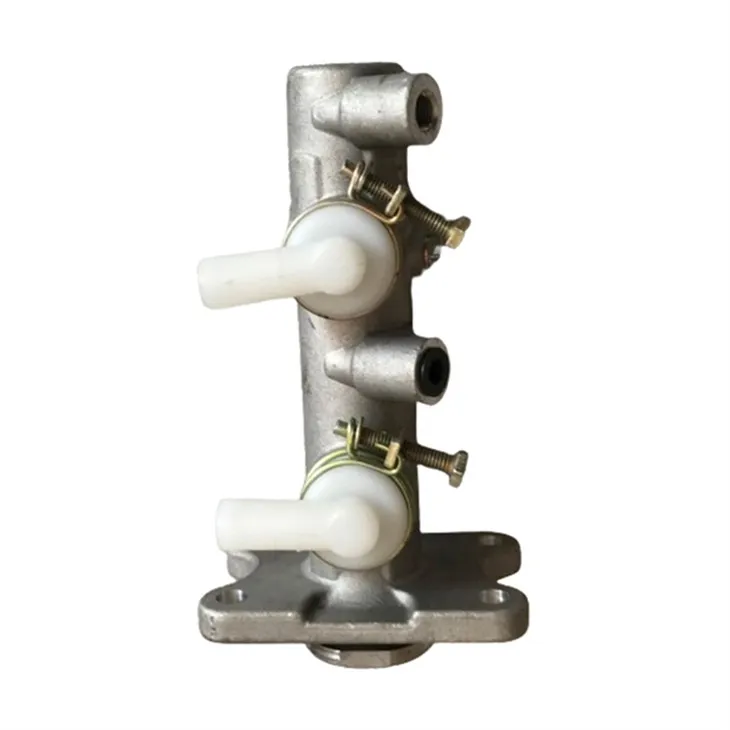
1. Difficulty Starting: If your pump loses power, it will have trouble getting gas to the engine in time for your starter to kick in. You might have to turn the ignition multiple times to get enough gas to the fuel injectors.
2. Engine Stuttering: The problem doesn’t stop when your motor starts running. The pump needs to continue to supply fuel as long as you’re driving. Since your engine’s getting an inconsistent fuel supply, it will sputter as the fuel cuts in and out.
3. Stalling: As long as your motor gets at least a small amount of fuel, it’s unlikely to stall –but it won’t perform as well as you would like. But in extreme cases, the fuel supply might get cut off altogether. In that case, your motor will stop running, even if you’re cruising down the highway.
4. Loss Of Power: When the fuel pump experiences a minor drop in performance, you might not even feel any stuttering. Instead, you could experience a loss of power when you’re hauling heavy loads, going up inclines, or accelerating quickly. These are all cases where the motor needs a lot of fuel, and the pump simply can’t keep up.
5. Power Surges: When fuel pumps fail, they don’t just lose power. Sometimes, they have random spikes in power, pushing excess gas into the engine. This can cause the engine to rev for no apparent reason.
6. Loss Of Fuel Efficiency: Modern fuel pumps are computer-controlled to provide just the right amount of fuel. Whether you’re getting too little or too much, it will negatively impact your fuel efficiency. If your vehicle is getting poor mileage for no apparent reason, it could be your fuel pump.
7. Noise From Your Fuel Tank: A fuel pump usually produces a soft hum, which is inaudible over your car’s normal operating noise. If there’s a loud whirring sound coming from your fuel tank, your pump is most likely malfunctioning.
8. Your Check Engine Light Is On: If one of your car’s sensors detects an issue in the fuel system, your “Check Engine” light will come on. The Check Engine light can appear for many reasons, but it’s essential to visit a mechanic regardless.
9.Your engine won’t start at all: If the pump has indeed failed, you will not be able to drive your car. Without fuel, the motor won’t be able to run. An engine can also fail to start for various other reasons, including a dead battery, alternator, starter, or even a clogged fuel filter.燃油泵的组件
Components Of a Fuel Pump
The fuel pump has the following components:
Housing: The housing of a fuel pump is the outer shell that contains all the internal components. It is usually made from metal or durable plastic materials to withstand the rigors of continuous operation and the corrosive nature of fuel.
Inlet and Outlet Ports: The inlet and outlet ports on a fuel pump allow fuel to flow in and out of the pump. The inlet port connects to the fuel tank or fuel line, drawing fuel into the pump, while the outlet port delivers the pressurized fuel to the engine’s fuel injection system or carburetor.
Pumping Mechanism: The pumping mechanism is the heart of the fuel pump, responsible for creating the pressure necessary to move fuel through the system. Mechanical fuel pumps use a diaphragm and lever mechanism, while electric fuel pumps utilize various designs, such as roller-vane, turbine, or gerotor-style pumps.
Electric Motor (Electric Fuel Pumps): The electric motor in an electric fuel pump powers the pumping mechanism. It is usually a compact, brushless DC motor designed for efficient and reliable operation.
Check Valve: The check valve is a one-way valve that ensures fuel flows in the correct direction, preventing fuel from flowing back into the pump or tank when the engine is not running.
Pressure Regulator: The pressure regulator is used in some fuel pump designs to maintain a consistent fuel pressure throughout the fuel system. It can be built into the fuel pump or located separately within the fuel system.
Fuel Filter or Strainer: A fuel filter or strainer is often integrated into the fuel pump to remove contaminants from the fuel before it enters the engine. This helps protect the engine and fuel system components from damage and ensures optimal performance.
Choosing The Correct Fuel Pump
The better way to select a fuel pump to use in your fuel system is to consider three factors:
1. How much horsepower your engine will produce.
2. What fuel pressure is required for your engine.
3. How much voltage is supplied to your fuel pump when the engine is running.
Horsepower
The amount of horsepower that your engine has will determine how much fuel flow is required to support that engine. As horsepower increases so does the volume of fuel required to support that power. A good estimator of volume to power is approximately 10 hp per gallon or 2.64 hp per liter. For example if your pump flows at 50 gph it should be able to support a 500 hp engine (50 x 10 = 500). to actually know the gph you must also consider the fuel pressure required for your engine.
Fuel Pressure
Different engines require different fuel pressure. For example a carbureted engine typically requires between 4 to 7 psi whereas a typical GM LS engine runs on about 58 psi. Furthermore, if you are running boost the pressure required for your engine may increase under load.
It is important to know what the max pressure your engine will require because fuel pressure has a large effect on how much flow a pump can produce. A fuel pump will flow at its highest volume when there is no pressure (free flow). As fuel pressure increases, fuel flow decreases. Every pump has a different flow volume at a given pressure. Because of this it is important to look at a flow chart of whatever pump you decide to buy. As free flow, or even flow at a given pressure is only part of the equation.
Voltage
Fuel pumps have different flow rates at different voltages. As voltage increases so does the speed of the fuel pump which will increase the flow of a pump at any given pressure. Because of this it is good practice to see how a pump is rated at a given voltage. Most cars will produce about 13.5 volts when running. if your alternator does not produce 13.5 volts, or you simply want to plan conservatively simply look at the flow ratings of a pump at 12 volts.
How a Fuel Pump Works
What Are The Potential Issues With a Fuel Pump
Fuel pumps can experience various issues that can impact the proper functioning of a vehicle's fuel system. Some potential problems with fuel pumps include:
Fuel Pump Failure: Over time, the electric motor or mechanical components of the fuel pump can wear out or fail. This can result in a loss of fuel pressure, causing the engine to run poorly or not start.
Fuel Contamination: The fuel pump's filter can become clogged with dirt, debris, or rust particles present in the fuel. This can restrict fuel flow and lead to engine misfires, reduced performance, or stalling
Fuel Pump Relay Or Wiring Issues: The fuel pump relay, which controls the power supply to the fuel pump or the associated wiring, can develop faults. This can prevent the fuel pump from receiving the necessary electrical current, resulting in fuel delivery problems.
Fuel Pump Overheating: Continuous operation of the fuel pump under high loads or in hot conditions can cause it to overheat. Overheating can decrease efficiency and reduce fuel pressure and potential pump failure.
Vapour lock: In certain circumstances, such as high temperatures or low fuel levels, the fuel in the lines can vaporise, causing a vapour lock. This disrupts fuel flow to the engine and can result in poor performance or engine stalling.
Fuel Pump Noise: A failing or malfunctioning fuel pump may produce unusual noises, such as whining, buzzing, or excessive vibrations. These noises can indicate issues with the pump's internal components.
Incorrect Fuel Pressure: A faulty fuel pressure regulator or a malfunctioning fuel pump can result in incorrect fuel pressure, either too high or too low. This can lead to poor engine performance, reduced fuel efficiency, or even damage.
The main difference between a single-stage and dual-stage fuel pump lies in the number of pumping stages or levels of pressure that the pump can generate. Here's a breakdown of the differences:
Single-Stage Fuel Pump:
1. A single-stage fuel pump has only one pumping stage, meaning it can generate a single level of pressure.
2. It is typically used in older or simpler fuel systems where lower fuel pressure is required.
3. The pump draws fuel from the fuel tank and delivers it directly to the engine at a consistent pressure.
4. Single-stage pumps are generally less expensive and less complex than dual-stage pumps.
Dual-Stage Fuel Pump:
1. A dual-stage fuel pump has two pumping stages, allowing it to generate two different levels of pressure.
2. The first stage of the pump operates at a lower pressure and is responsible for drawing fuel from the fuel tank.
3. The second stage operates at a higher pressure and is responsible for delivering fuel to the engine.
4. Dual-stage pumps are commonly used in modern fuel systems, especially in high-performance or direct injection engines.
5. The ability to generate different levels of pressure allows for better fuel atomization and more precise fuel delivery, which can enhance engine performance and efficiency.
The main difference between a single-stage and dual-stage fuel pump is the number of pumping stages and the ability to generate different levels of pressure. Dual-stage pumps are more commonly used in modern fuel systems to meet the demands of advanced engine technologies.
Can Fuel Pumps Be Upgraded Or Modified For Better Performance
There are several ways to upgrade or modify fuel pumps, including:
Flow Rate Modification
Fuel pumps can be modified to increase or decrease the flow rate of fuel to the engine. This can be done by changing the size of the fuel pump or by modifying the fuel pump's camber. Increasing the flow rate can improve engine performance, while decreasing the flow rate can reduce fuel consumption.
01
Filtration Improvement
A dirty fuel pump can cause performance issues. Upgrading the fuel filter can help to improve fuel quality and reduce engine damage.
02
Temperature Control
Fuel pumps can be modified to control the temperature of the fuel. This can help to reduce fuel injection timing and improve engine performance.
03
Inlet Design
The inlet design of the fuel pump can also be modified to improve engine performance. Upgrading the inlet can help to increase air flow and reduce air injection timing.
04
Fuel Type Change
Depending on the engine type, fuel pumps can be modified to accept different types of fuel, such as gasoline or diesel.
05
Our Factory
Kingko Industrial Co., Ltd was established in 2015, located in Suzhou, China(nearby Shanghai). Our company specialized in full range of spare parts exporting. Our Team have been in this filed more than 8 years. After years of development, the company has created a wealth of experience in sales and after-sales service team,and win a very high reputation in our customers. We have our own factory and warehouse, factory visit is weclomed.
FAQ
Q: How do I choose the right high-pressure fuel pump for my vehicle?
1. Why is a fuel pump important?
A fuel pump is important because without it, the engine would not receive fuel, causing the vehicle to stall or stop completely.
Q: How does a fuel pump work?
Q: What are the types of fuel pumps?
Q: What are the symptoms of a failing fuel pump?
Q: Can fuel pumps be upgraded or modified for better performance?
Q: How do I maintain my fuel pump?
Q: What causes a fuel pump to fail?
Q: Can fuel pump failure cause engine damage?
Q: How can you diagnose a fuel pump problem?
Q: What is a fuel pressure gauge used for?
Q: What is the difference between a single-stage and dual-stage fuel pump?
Q: How can you tell if a fuel pump is working?
Q: Can extreme temperatures affect the performance of a fuel pump?
Q: Can a clogged fuel filter cause fuel pump failure?
Are there any warning signs before a fuel pump fails?
Yes, there are warning signs before a fuel pump fails, including difficulty starting the engine, reduced power and fuel efficiency, and a whining noise from the fuel tank.
Q: Can a fuel pump be damaged by running on a low tank of gas?
Q: How does a high-pressure fuel pump differ from a regular fuel pump?
Q: Can I install a fuel pump myself?
Q: What factors can cause a fuel pump to fail prematurely?
As one of the leading fuel pump suppliers in China, we warmly welcome you to wholesale cheap fuel pump in stock here from our factory. All customized products are with high quality and low price. For free sample, contact us now.
Injector 06f906036d, Ignition Coil, 22620-4M501