

Products

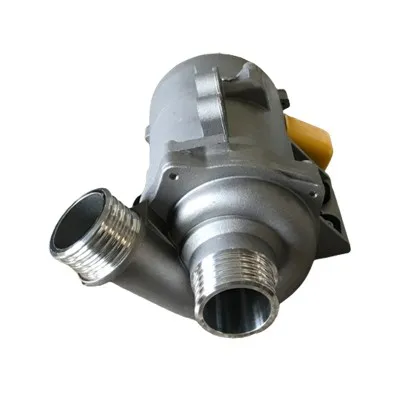
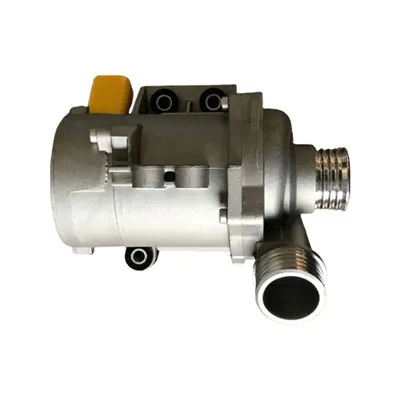
Electric Water Pump
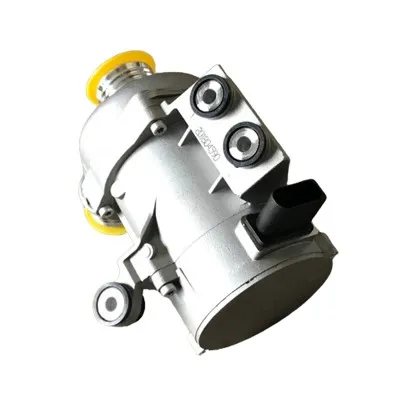
An electric water pump is a device that utilizes electrical power to circulate water or any other fluid in a system. Its primary function is to move liquid from one location to another in a circulation system such as a cooling system. Electric water pumps are commonly used in automobile cooling systems, industrial and agricultural applications, and HVAC systems. They are more efficient and reliable than traditional mechanical water pumps, as they require less power to operate, produce less noise, and provide better flow control.
Features
What Is Electric Water Pump
An electric water pump is a device that utilizes electrical power to circulate water or any other fluid in a system. Its primary function is to move liquid from one location to another in a circulation system such as a cooling system. Electric water pumps are commonly used in automobile cooling systems, industrial and agricultural applications, and HVAC systems. They are more efficient and reliable than traditional mechanical water pumps, as they require less power to operate, produce less noise, and provide better flow control.
Advantages of Electric Water Pump
Improved Efficiency: Electric water pumps are highly energy-efficient. They work by using electricity to drive an electric motor which, in turn, drives an impeller to pump water. This minimizes wastage and therefore saves on energy cost.
Reduced Maintenance: With no need for belts, pulleys, or bearings, electric water pumps have a relatively low maintenance requirement compared to traditional water pumps powered by internal combustion engines.
Increased Reliability: Electric water pumps are more reliable as they have fewer moving parts to create potential points of failure. Once set up, they are designed to run continuously with little or no attention required.
Compact and Space-Saving: Electric water pumps are more compact in design, created by the lack of belts, pulleys, or bearings. This makes them lightweight and takes up less space.
Better Performance: Electric water pumps provide a more consistent flow rate and pressure, with better overall performance. They also produce less noise compared to traditional water pumps.
Environmentally Friendly: Due to increased efficiency, an electric water pump helps reduce carbon emissions, thus contributing to environmental conservation. The lack of oil and fuel also makes them much less polluting.
Why Choose Us
Professional team
Professional sales team and engineer team provide professional technical Support,Test video and Sample support
Rich Experience
Our company has many years of production work experience. The concept of customer-oriented and win-win cooperation makes the company more mature and stronger.
High Quality
Our products are manufactured or executed to very high standards, using the finest materials and manufacturing processes.
Advanced Equipment
Equipment based on the latest technological developments has higher efficiency, better performance and stronger reliability.
One-stop Solution
From the begining inquiry and throughout the entire process until you receive the goods. we are dedicated to supporting you every step of the way.
Competitive Price
We have professional sourcing team and cost accounting team, stive to reduce cost and profit and provide you a good price.
Components of an Electric Water Pump
An electric water pump is composed of several key components, each playing a crucial role in its functionality. Understanding these components is essential for troubleshooting and maintenance. Let's take a closer look at the primary components of an electric water pump:
Electric Motor: The electric motor is the heart of the water pump. It converts electrical energy into mechanical energy to drive the impeller or propeller. Electric motors used in water pumps are typically either induction motors or brushless DC motors, depending on the specific application and requirements.
Impeller/Propeller: The impeller or propeller is responsible for creating the flow and pressure necessary to move water. It consists of curved blades that push water in a specific direction. Depending on the pump type, the impeller may be housed inside a volute or diffuser to direct the flow of water.
Volute/Diffuser: The volute or diffuser is a stationary casing surrounding the impeller. It helps to convert the kinetic energy imparted by the impeller into pressure energy, increasing the water's pressure as it exits the pump.
Inlet and Outlet Connection: These are the ports through which water enters and exits the pump. The size and type of connections depend on the pump's capacity and intended application. In residential water supply pumps, these connections are typically threaded or flanged fittings.
Seals and Gaskets: Seals and gaskets are used to prevent water leakage around rotating shafts or between pump components. Common types of seals include mechanical seals, O-rings, and gaskets made of materials compatible with the pumped fluid.
Housing or Casing: The housing or casing encloses all the components of the pump and provides protection and support. It is usually made of durable materials such as cast iron, stainless steel, or high-quality plastics, depending on the pump's intended application and environment.
Control Panel: In some electric water pumps, particularly those used in commercial or industrial applications, a control panel is present. This panel houses the necessary controls, switches, and indicators for monitoring and managing the pump's operation.
Working Principle Of An Electric Water Pump
The working principle of an electric water pump is based on the conversion of electrical energy into mechanical energy to move water from one location to another. Understanding this principle is crucial for comprehending the operation of electric water pumps. Let's delve into the working principle of an electric water pump:
Electricity Supply: The electric water pump is connected to an electrical power source, typically the grid or a generator. The power supply provides the necessary electrical energy to the electric motor of the pump.
Motor Rotation: When the power supply is turned on, electricity flows to the electric motor, causing it to rotate. The motor is designed to convert electrical energy into mechanical energy through the interaction of magnetic fields, coils, and rotating components.
Impeller/Propeller Action: As the motor rotates, it drives the impeller or propeller inside the pump. The rotation of the impeller creates a centrifugal force that pushes water away from the center of the pump, creating a low-pressure area near the impeller blades.
Water Inflow: In response to the low-pressure area created by the rotating impeller, water from the source or reservoir flows into the pump through the inlet connection. The flow rate and volume of water entering the pump depend on the impeller design, speed of rotation, and the size and characteristics of the inlet connection.
Centrifugal Force: As water enters the pump, it is pushed by the impeller's centrifugal force towards the casing's periphery. The curved blades of the impeller accelerate the water, imparting kinetic energy to it.
Pressure Increase: The kinetic energy of the water is then converted into pressure energy as it passes through the volute or diffuser. The shape of the volute or diffuser guides the water flow and gradually increases its pressure while reducing its velocity.
Water Discharge: The high-pressure water is then discharged from the pump through the outlet connection. It can be directed to the desired destination, such as a pipe network, irrigation system, or cooling apparatus.
This continuous process of the electric motor rotating the impeller, creating a low-pressure area, and subsequently pushing and pressurizing the water is what enables an electric water pump to function effectively. The specific flow rate, pressure, and efficiency of the pump depend on factors such as the pump's design, motor power, impeller size, and the system's hydraulic characteristics.
Understanding how an electric water pump works is essential to solving common problems and optimizing its performance. Regular maintenance, such as cleaning the impeller and checking for leaks, can help extend the life of your pump and ensure stable operation.
How Do i Install An Electric Water Pump
Here's a step-by-step guide on how to install an electric water pump in your vehicle:
Prepare Your Work Area
Make sure your engine is cool and that you've disconnected the battery. Gather all the tools and equipment you need, including a new electric water pump, gaskets, and bolts.
Remove The Old Water Pump
Depending on your vehicle model, the water pump and pulley may need to be removed before you can install the electric water pump. Keep all parts and bolts organized as you'll need some of them later.
Install The Electric Water Pump
Clean the mounting surface and apply a gasket sealant. Place the gasket on the mounting surface and install the new water pump. Tighten the bolts using a torque wrench according to the manufacturer's recommended torque specifications.
Connect The Wiring
Connect the electrical wires according to the manufacturer's instructions. Be sure to use the right size wire and appropriate terminals.
Check The Installation
Double-check all bolts are tightened correctly and verify that all electrical connections are secured. Reinstall any parts you removed, including belts and hoses.
Fill The Cooling System
Refill the cooling system with coolant and check for leaks before starting the engine.
How Is An Electric Water Pump Different From a Mechanical Water Pump
An electric water pump is a technological advancement over mechanical water pumps in a number of ways. Firstly, electric water pumps operate on electrical power whereas mechanical water pumps use power from the engine of a vehicle. This means that electric water pumps don't rely on the engine's power to function and won't affect engine performance like mechanical water pumps can.
Another key difference between electric and mechanical water pumps is their efficiency. Electric water pumps are generally more efficient as they don't rely on belts, pulleys, or other mechanical components that can cause friction or slippage resulting in energy wastage. The electric motor of an electric water pump can be controlled by a computer or other electronic components to vary its speed and flow rate, thus optimizing efficiency.
Because electric water pumps have a relatively simple design and fewer moving parts, they are more durable and last longer than mechanical water pumps. They also allow more precise control of water flow because they are not affected by engine speed or load like mechanical water pumps.
Electric water pumps are also easier to install and maintain, as they don't require regular belt replacement or adjustment. They also tend to be quieter than mechanical water pumps, thanks to their electronic control, and don't generate as much noise when in operation. Electric water pumps are a more advanced, efficient, and reliable solution for water pumping needs compared to their mechanical predecessors.
How Can You Increase The Efficiency Of An Electric Water Pump
Incr easing the efficiency of an electric water pump can lead to significant energy savings and improved system performance. Here are several ways to increase the efficiency of an electric water pump:
Select The Right Pump: Use a pump that is designed to meet the specific requirements of your system. Using a pump with lower or higher flow rates can result in inefficiencies.
Proper Installation: Ensure that the pump is installed correctly, with proper alignment, sealing, and connection. Any leaks or improper installation can result in energy loss.
Optimize System Design: Optimize the piping system design by using smaller pipe diameters, shorter lengths, and fewer bends. This will reduce resistance and increase the pump's efficiency.
Regular Maintenance: Regularly clean the pump impeller and check the condition of seals, bearings, and motor brushes. Regular maintenance can ensure efficient pump operation and prevent downtime and repair costs.
Upgrade The Motor: Consider upgrading the motor to a high-efficiency motor. A high-efficiency motor can improve the overall efficiency of the pump and reduce energy consumption.
Use a variable frequency drive (VFD): Installing a VFD can allow for better control of the pump's operation, resulting in less energy consumption, reduced wear and tear, and longer pump life.
Can An Electric Water Pump Work With a Radiator Fan
Yes, an electric water pump can work with a radiator fan in an automotive application. In fact, the two components have different functions but work together to ensure the proper cooling of an engine.
The electric water pump circulates coolant through the engine block and radiator to absorb and transfer heat away from the engine. It does this by using an electric motor to spin an impeller, which moves the fluid throughout the cooling system. This eliminates the need for belt-driven mechanical pumps, which can be less efficient in terms of power consumption and have a higher risk of failure due to wear and tear.
On the other hand, the radiator fan helps cool the engine by pulling air through the radiator fins, which dissipate heat from the coolant. This is especially important when the vehicle is stationary or moving at low speeds, as there is no natural airflow to help cool the radiator.
By working together, an electric water pump and radiator fan can ensure that the engine is properly cooled at all times, reducing the risk of overheating and potential damage to the engine. In some cases, the two components may be integrated into a single cooling system, further improving efficiency and reliability.
What Factors Should Be Considered When Selecting An Electric Water Pump
When selecting an electric water pump, there are several important factors that should be taken into consideration. These factors include the following:

Power Consumption
The power consumption of the electric water pump is an essential factor to consider, as it will not only determine the performance of the pump but also impact energy usage and overall operational costs.

Flow Rate
The flow rate is the amount of water that the pump can deliver at a particular time. The desired flow rate will depend on the intended use of the water pump. Different applications will require different flow rates, and these should be calculated beforehand to ensure optimal performance.

Head Pressure
Head pressure is the maximum height that the water pump can lift water. It is crucial to examine this factor since it determines the maximum height that the pump can lift water.

Durability
The durability of a water pump is a crucial factor as it affects the lifespan of the water pump. An inferior pump will last shorter, while a quality product will last longer.

Noise Level
The noise level generated by the water pump is yet another factor that should be considered. The noise level will depend on the product's design and the intended application.

Ease of Installation
The ease of installation is critical to consider when selecting an electric water pump. An easy installation process will save time and money on installation costs while making it more convenient to use.
Why Is An Electric Water Pump a Better Choice For Automotive Cooling Systems
An electric water pump is a better choice for automotive cooling systems because it offers several advantages over traditional mechanical water pumps. Firstly, an electric water pump is more efficient as it consumes much less power than the mechanical pump. This can result in improved fuel economy and reduced emissions which makes it more economical and environment-friendly.
Secondly, electric water pumps do not have a mechanical coupling to the engine's crankshaft, which reduces the load on the engine and results in smoother operation. This means that the engine can operate more consistently and smoothly, reducing vibration and noise levels.
Thirdly, electric water pumps offer more precise control over the cooling system, which can help improve engine performance and durability. They can provide variable speed control, ensuring that the water pump operates at the optimal speed for the engine's needs.
Lastly, electric water pumps are much more durable and long-lasting than traditional mechanical water pumps. They are generally designed to last the of the vehicle and require less maintenance, making them a more reliable choice for automotive cooling systems.
When working with an electric water pump, it is important to observe safety precautions to avoid accidents and injuries. Here are some guidelines to keep in mind.
1. Read The User Manual
The user manual should be read from cover to cover before use or installation. This will provide you with information about the pump's capacity, voltage and how to use the pump safely.
2. Use Appropriate Protective Equipment
One must wear protective equipment like safety gloves, glasses, and boots while working with an electric water pump. These gloves should be made of quality insulating materials based on the voltage of the pump.
3. Observe Grounding Requirements
Ensure that the water pump is grounded according to the manufacturer's guidelines and local regulations. This will reduce the risk of electrical shocks when handling the pump.
4. Avoid Power Surges
It is important to ensure that the power source is stable, and the circuit breaker is strong enough to handle the electric water pump. Avoid connecting the pump to an electric supply with high voltage or low voltage. This can result in a power surge that can damage the pump, the electrical system or even cause a fire.
5. Secure the Pump
You should secure the electric water pump to a stable and flat surface to prevent it from moving around when in use. This will also prevent accidents caused by the pump tipping over.
6. Regular Maintenance
Consistent maintenance of the water pump can prevent the risk of mechanical issues or breakdowns that may pose a safety hazard during use.
Kingko Industrial Co., Ltd was established in 2015, located in Suzhou, China(nearby Shanghai). Our company specialized in full range of spare parts exporting. Our Team have been in this filed more than 8 years. After years of development, the company has created a wealth of experience in sales and after-sales service team,and win a very high reputation in our customers. We have our own factory and warehouse, factory visit is weclomed.
FAQ
Q: Can an electric water pump be controlled with a smart device?
Q: How does an electric water pump work?
Q: What are the benefits of using an electric water pump?
Q: What are some common maintenance tips for electric water pumps?
What is the advantage of using an electric water pump over a traditional mechanical water pump?
The key advantage of an electric water pump over a traditional mechanical water pump is that it consumes less power. Electric water pumps only run when required, unlike mechanical water pumps that run constantly, consuming more power.
Q: What is an electric water pump?
Q: What factors should be considered when choosing an electric water pump?
Q: Can electric water pumps be used with rainwater harvesting systems?
Q: Can an electric water pump be installed in place of a mechanical water pump?
Q: Why is an electric water pump a better choice for automotive cooling systems?
Q: How do you install an electric water pump?
Q: How does the size and type of electric water pump affect its performance?
Q: Can an electric water pump improve fuel economy?
Q: Are there any safety concerns with using an electric water pump?
How do you store an electric water pump when not in use?
When an electric water pump is not in use, it should be stored in a dry and cool place, and all the water and debris should be drained from the pump to prevent corrosion.
Q: What is the difference between a single-stage and multi-stage electric water pump?
Q: How can you increase the efficiency of an electric water pump?
Q: How do you calculate the head pressure of an electric water pump?
Q: How do you troubleshoot a malfunctioning electric water pump?
Q: Can an electric water pump work with a radiator fan?
Hot Tags: electric water pump, China electric water pump suppliers, Common Rail Switch, Brake Master Cylinder 47201 26450, Oil Pump, Window Control Switch 84820 b0010, 43530-69065, CHEVROLET F16
You Might Also Like


Send Inquiry
