

Products
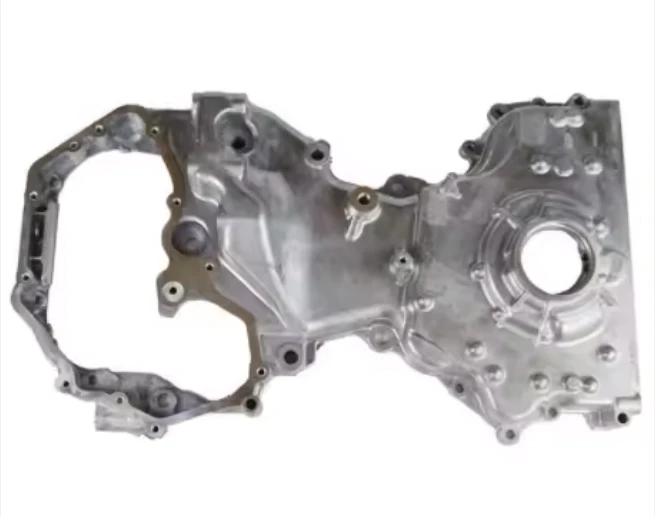
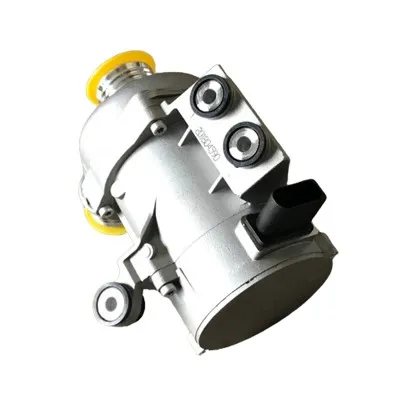
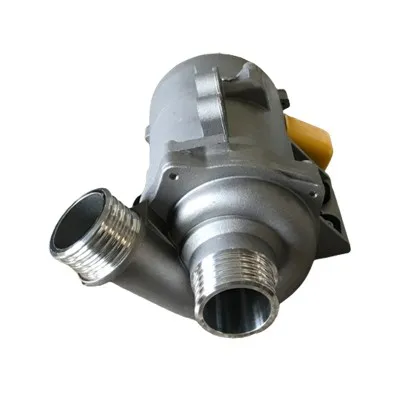
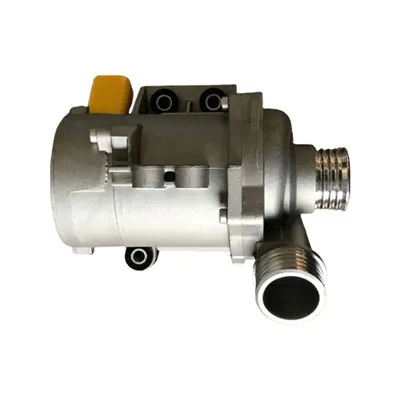
NISSAN QR25DE Oil Pump 13500-ET80B
An oil pump is a mechanical device that circulates engine oil through the internal parts of an engine. It pulls the oil from the oil pan and pumps it through the oil filter and into the engine's oil galleries. The oil pump ensures that the engine is properly lubricated, which reduces friction and wear, and helps to prevent engine damage. It is typically driven by the engine's crankshaft or camshaft, depending on the design of the engine.
Features
What Is Oil Pump
An oil pump is a mechanical device that circulates engine oil through the internal parts of an engine. It pulls the oil from the oil pan and pumps it through the oil filter and into the engine's oil galleries. The oil pump ensures that the engine is properly lubricated, which reduces friction and wear, and helps to prevent engine damage. It is typically driven by the engine's crankshaft or camshaft, depending on the design of the engine.
Advantages of Oil Pump
Efficient Lubrication: The primary function of an oil pump is to provide lubrication to the engine's moving parts. This is important because friction between metal parts can cause damage and wear over time. Oil pumps ensure that all the engine parts are well lubricated, reducing the chances of any mechanical issues.
Engine Performance: A well-maintained oil pump ensures that the engine is running smoothly and efficiently. Efficient lubrication keeps the engine running smoothly, maintaining optimum performance.
Long-lasting Engine: Oil pumps ensure that the engine is running smoothly and efficiently, reducing the chances of engine damage due to poor lubrication. A well-lubricated engine lasts longer than one that isn't properly lubricated.
Reduced Friction: Oil pumps reduce friction by providing continuous lubrication to engine parts that are in regular contact with each other. Lower friction means that there is less wear and tear, extending the life of the engine.
Cooling: The oil that pumps through the engine also helps in cooling different components like the cylinder walls, piston tops, and bearings. This ensures that the engine operates at optimal temperatures.
Improved Fuel Efficiency: A well-maintained oil pump ensures that the engine is running efficiently, which improves fuel efficiency. When an engine is properly lubricated, it runs smoother and uses less fuel.
Why Choose Us
Professional team
Professional sales team and engineer team provide professional technical Support,Test video and Sample support
Rich Experience
Our company has many years of production work experience. The concept of customer-oriented and win-win cooperation makes the company more mature and stronger.
High Quality
Our products are manufactured or executed to very high standards, using the finest materials and manufacturing processes.
Advanced Equipment
Equipment based on the latest technological developments has higher efficiency, better performance and stronger reliability.
One-stop Solution
From the begining inquiry and throughout the entire process until you receive the goods. we are dedicated to supporting you every step of the way.
Competitive Price
We have professional sourcing team and cost accounting team, stive to reduce cost and profit and provide you a good price.
Types of Oil Pump
Gear Pump
Gear pumps operate on the water wheel principle. They have two wheels to create high pressure in the oil pan and inject the oil into all areas that need lubrication. As the engine will be operating at high speeds, high pressure is required for the oil to reach all moving parts in the engine. Two interlocking wheels inside the pump draw oil from the pan and force it into relatively smaller area and build the required pressure. The movements of the wheels or gears and the sides of the pump are so designed that when high pressure is formed near the delivery nozzle, oil will not flow back into the oil pan.
Rotary Pump
The basic principle of the rotary pump is the same as in a gear pump. It is used to control the flow of oil into the engine by two rotating sprockets. The mechanism that pressurizes the oil and injects it into the system is slightly different. Instead of building pressure by increasing the amount of oil at the nozzle end, the rotors draw a quantity of oil into a compartment, which gradually becomes smaller in size and squeezes the oil and builds pressure near the injection nozzle. This is achieved with the use different teeth sizes on the rotor, which changes the size of the compartments while rotating.
Crescent Pump
The crescent pump is advantageous in situations where high delivery rate of oil is required, particularly at low engine speeds. The basic principle is the same; two rotating wheels build oil pressure near the delivery nozzle. Movements of the two wheels are in tandem as opposed to contrary wheel movements in the gear and rotary pumps. Due to size difference of the two wheels, oil is carried to the delivery nozzle and pressure created by gradually reducing the size of the containment area or the crescent formed between the two wheels.
Twin Gear Pumps
Twin gear pumps (also known as external pumps) are positioned within the oil pan on the engine's bottom and pump oil using a pair of intermeshing gears. A shaft drives one gear, and the first gear drives the second gear. A shaft connected to the crankshaft, camshaft, or distributor shaft commonly drives the pump. As a result, the pump runs at half the engine's speed. Pump gears rotate in opposing directions. This captures oil between the gear teeth and transports it from the pickup tube entrance to the pump outlet around the outside of each gear. The oil cannot flow rearward to the intake due to the tight clearances between the gears.
Function Of An Oil Pump
An oil pump is among the essential internal combustion chamber parts. It is located in the oil pump housing of the oil pan and the crankshaft or timing belt drives it. When the pressure builds up in the pump, it directs the engine oil through the engine block and cylinder head.
In simpler terms, the function of an oil pump is as follows:
Lubrication
The primary purpose of an oil pump is to supply engine oil to various moving parts within the engine. These include pistons, crankshafts, camshafts and bearings. The lubrication prevents direct metal-to-metal contact, reducing friction and wear between components.
Cooling
As the engine oil circulates throughout, it absorbs heat generated by the friction of moving parts. The oil then carries this heat away from the components, regulating the engine's operating temperature and preventing overheating.
Friction Reduction
The oil pump reduces friction by creating a thin layer of oil between moving parts. It minimises wear and tear on the engine's components, prolonging their lifespan and maintaining efficiency.
Preventing Oil Leaks
The engine block is sealed to the oil pan using a gasket, effectively stopping oil from escaping the engine.
Noise Reduction
Proper lubrication provided by the oil pump helps dampen the noise generated by moving engine parts. Components that are adequately lubricated produce less noise due to reduced friction.
Protection Against Corrosion
Engine oil contains additives that protect metal surfaces from corrosion and oxidation. The oil pump distributes this treated oil throughout the engine, preventing rust and deterioration of engine components.
Parts Of An Oil Pump
The anatomy of an oil pump comprises different components. The design of this type of pump in the car varies according to the type. However, here are the fundamental parts:
Housing: The housing is the outer casing enclosing the internal components of the pump. It provides protection and support for the pump's internal mechanisms.
Gears or Rotors: Oil pumps often feature gears or rotors that draw in and pressurise the oil. These gears rotate within the pump housing, creating a suction effect that pulls oil into the pump and then pushes it out at a higher pressure.
Suction Pipe/Tube: The suction pipe or tube extends from the oil pump into the pan. It draws oil from the bottom of the oil pan and directs it into the pump for further circulation.
Pressure Relief Valve: The pressure relief valve is a safety mechanism that helps regulate the oil pressure within the engine. If the oil pressure becomes too high, the valve opens to release excess pressure and prevent damage to the pump and other components.
Oil Filter Bypass Valve: Some oil pumps include a bypass valve that allows oil to bypass the oil filter if the filter becomes clogged. It ensures that oil can flow through the engine and clogged filters.
Oil Filter Mounting: The oil pump may have a mounting or connection point for the oil filter. It allows the oil to go through the filter before entering the pump and being pressurised.
Drive Mechanism: The oil pump is driven by the engine's crankshaft or the car's timing belt, depending on the engine's layout. This drive mechanism provides the necessary rotational force to operate the pump.
Seals and Gaskets: Various seals and gaskets prevent oil leaks from the pump and its connections. These seals ensure that pressurised oil flows through the intended pathways and not into unwanted areas.
Oil Passages: Internally, the oil pump contains passages and channels that direct the oil from the suction side to the pressure side. These passages oversee the oil flow through the pump and into the engine.
Mounting Points: The oil pump is securely mounted to the engine block or other car engine components to ensure stability and proper alignment.
Oil Pumps Keep Engines Running
The oil pump plays an essential role in keeping your engine properly lubricated. It's a complex piece of engineering that not only keeps everything running smoothly, but also helps with removing excess heat from pistons, bearings and shafts. If it doesn't work properly and consistently, the engine can potentially seize, causing considerable additional expense and unnecessary downtime.
Oil pumps are essential for lubricating your engine. They're driven by the crankshaft and distribute precisely the right amount of oil to all the moving components of your engine, among them the pistons, rings, springs and valve stems.
It's essential that your oil pump works correctly, as any failure in this area can potentially lead to an engine seizing up entirely, stopping the machine it was powering. Whilst seizure is the worst case scenario, a poorly performing pump can cause localised damage due to the pump being unable to reach the required pressure. This reduction in pressure can mean that areas of the engine are inadequately lubricated, leading to a local increase in wear.
Any failure can result in expensive repairs and unplanned engine downtime. Proper routine maintenance and timely replacement of the oil pump at the appropriate time will avoid any difficulties.
Symptoms of a Bad Oil Pump
An oil pump stops working due to mechanical failure or a lack of fluid. Within minutes, the engine can fail because of reduced oil pressure.
Here are a few symptoms to watch for:
Dashboard Warning Lights
Engine sensors monitor oil pressure, and if it has dropped too low, the oil pressure warning light comes on. This problem may also signal the check engine light.
Low Oil Pressure
When a pump starts to fail, it can't pressurize the oil. Without the right amount of pressure, engine components (crankshaft, camshaft, bearings, etc.) become starved of oil.
Engine Noise
If the engine isn't getting enough oil, strange sounds follow. You may hear ticking, tapping, rattling, or knocking sounds, depending on the condition. All of these noises should be taken seriously.
Vehicle Doesn't Start
Without the right amount of oil pressure, the engine may not start. Some vehicles automatically cut fuel delivery when there's not enough oil pressure in order to protect the engine.
Working Principle of Oil Pumps
An engine's oil pump is unavoidable for lubrication, as engines must be adequately lubricated while operating. The oil pump is normally powered by the crankshaft and begins pumping oil as soon as the engine is started. Oil injectors are not used in some oil-free engines, such as two-stroke engines.
Oil travels from a strainer into the oil pump, then via the heat exchanger, where it is cooled. After cooling, the oil passes via the galleries to the engine's moving components before returning to the sump. A little amount of oil is transferred to an injector when an engine is designed with one.
The gap between the cylinder wall and the piston rings is sealed by oil poured into the cylinder. This keeps the compressed air from escaping through the pistons, increasing the engine's overall efficiency.
Oil pressure in an engine may reach 10 psi for every 1000 revolutions per minute (rpm), which is around 55-65 psi. The pressure on the crankshaft journal and bearing is substantially higher than the 50-60 psi established by the relief valve on the relative pump and can reach hundreds of psi.
The relative speeds of the crankshaft journal in feet per second, not rpm, cause this tremendous pressure. The bearing, bearing width, oil viscosity, and temperature are all taken into account, as well as the bearing clearance (leakage rate).
Low-speed engines have relatively big journals, as well as a small pump and pressure. This is due to the fact that pump pressure does not fill the hole and replenish the oil in the annular area as quickly as the leak starts.
Low pressure means that bearing leakage is greater than the pump's supply rate.
The condition of the oil pump is shown by a gauge pressure indicator or warning bulb on the dashboard of a car. Depending on the oil in the engine or the engine's health, there might be high or low oil pressure.
The high oil pressure in the front or main engine causes the oil plugs to blow out. On cold start-ups, high oil pressure signifies very high pressure, which arises owing to the engine's design.
Low oil pressure can cause engine harm. It causes engine components to fail, beginning with the cam carrier bearings, which are located at the top of the engine. That is to say, the upper areas will be deprived of lubrication. Low pressure might induce liner/piston nip if the pistons contain crown jets. Low oil pressure can also cause the crankshaft and connecting rod to seize.
The following factors can contribute to low oil pressure:
•Oil pump that is worn or malfunctioning, or a broken pressure release valve spring.
•There isn't enough oil in the engine, or there isn't any at all.
•The main bearings are worn out.
•Fracture or obstruction of the oil gallery.
The Importance Of Oil Pumps In Machinery And Vehicles
Oil pumps are essential components in machinery and vehicles as they are responsible for circulating oil throughout the system. In addition, they play a critical role in lubrication, essential in reducing friction and heat that can cause wear and tear to the components.
We will discuss the importance of oil pumps and how they help maintain the efficient operation of machinery and vehicles.

Lubrication System
The lubrication system in machinery and vehicles is a closed system that ensures oil is circulated to all the moving parts. The oil pump is the heart of this system, as it pumps oil through various channels to lubricate the engine or other components.
This process helps to reduce friction and heat, which can cause wear and tear to the components. The oil pump also helps to maintain a constant supply of oil to the engine and other components, which is essential for their efficient operation.

Engine Performance
An engine's performance is heavily reliant on the efficiency of the oil pump. A faulty or ineffective oil pump can lead to insufficient lubrication, resulting in excessive friction and heat, which can cause engine damage. It can also lead to poor fuel efficiency and reduced engine power.
Therefore, it is crucial to ensure that the oil pump works effectively to maintain the engine's optimal performance.

Maintenance And Repair
The oil pump requires regular maintenance to ensure that it continues to operate effectively. Over time, the pump may wear out, resulting in a loss of pressure and reduced lubrication. This can lead to engine damage, which can be costly to repair. Therefore, it is important to conduct regular oil changes and inspect the oil pump to prevent potential issues.

Types Of Oil Pumps
Different oil pumps are used in machinery and vehicles, including gear pumps, rotor pumps, and vane pumps. Each type has its unique design and function, but all operate to circulate oil throughout the system to reduce friction and heat. The choice of oil pump depends on the specific application, with some requiring a higher flow rate or pressure.
What To Look Out For In Servicing Your Oil Pump
Identifying a bad oil pump is the first step. There are several signs that an engine oil pump may be failing:
Low oil pressure
One of the most common signs of a failing oil pump is low oil pressure. This can be indicated by the oil pressure gauge or warning light on the dashboard, or by using a pressure tester during diagnosis.
Noise from the engine
A failing oil pump can make a whining or ticking noise, especially when the engine is idling. It could be from hydraulic lifters that are oil-starved or bearings or pistons that are no longer protected by a film of oil.
Overheating engine
A lack of oil pressure can cause the engine to overheat, as it is not being properly cooled.
Poor performance
A failing oil pump can cause the engine to lose power, stall, or not start at all. It's often due to an oil-fed component like a turbocharger that stops working when it doesn't get enough oil.
Oil warning light
Some vehicles have a warning light that comes on to indicate low oil pressure, which may be caused by a failing oil pump.
Oil leaks
If there is an oil leak from front of the engine, it may be a sign of a problem with the pump.
Maintenance Of The Oil Pump
Proper maintenance of the oil pump is essential for the engine's health and the vehicle's longevity. Here are a few key steps to follow to maintain your oil pump:
Regular Oil Changes
Regular oil changes are critical for maintaining the health of the oil pump and the engine. Over time, oil can become contaminated with debris and impurities, which can cause damage to the pump and other components. Regular oil changes help to keep the oil clean and free of contaminants.
01
Check Oil Pressure Regularly
Monitoring the oil pressure is integral to maintaining the oil pump. The oil pressure should be within the manufacturer's recommended range, and if it falls outside this range, it may indicate a problem with the pump or other components.
02
Monitor For Leaks
Leaks can cause the oil level to drop, reducing the pump's effectiveness and causing damage to the engine. Regular inspections for leaks can help to catch problems early and prevent damage.
03
Replace The Oil Filter Regularly
The oil filter is an essential component of the oil pump system and should be replaced regularly to ensure it functions correctly. A clogged or dirty filter can reduce the effectiveness of the pump and cause damage to the engine.
04
Regular Inspections
A professional mechanic can help identify potential problems with the oil pump or other components. This can help prevent damage and ensure that the engine runs smoothly.
05
Kingko Industrial Co., Ltd was established in 2015, located in Suzhou, China(nearby Shanghai). Our company specialized in full range of spare parts exporting. Our Team have been in this filed more than 8 years. After years of development, the company has created a wealth of experience in sales and after-sales service team,and win a very high reputation in our customers. We have our own factory and warehouse, factory visit is weclomed.
FAQ
Q: What are the components of an oil pump?
Q: How does an oil pump work?
Q: What are the different types of oil pumps?
Q: What are the advantages of a gear oil pump?
Q: What are some of the benefits of using a remote oil pump?
Q: What is an oil pump?
Q: What is the role of oil viscosity in engine performance?
Q: What is the oil pump's role in engine lubrication?
Q: What are some common problems with oil pumps?
Q: How can oil pump problems be diagnosed?
Q: What are some signs of a failing oil pump?
Q: How can oil pump problems be prevented?
Q: How often should an oil pump be replaced?
Q: What are some factors to consider when selecting an oil pump?
Q: How does oil pump design affect engine performance?
How can oil viscosity be controlled?
Oil viscosity can be controlled by using high-quality oils that meet the recommended specifications for an engine, and by changing oil at regular intervals to maintain proper viscosity levels.
Q: How do you replace an oil pump?
Q: How can oil pressure relief valve problems be prevented?
Q: What is the relationship between oil pressure and engine performance?
Q: How can you maintain your oil pump?
Hot Tags: NISSAN QR25DE Oil Pump 13500-ET80B, China NISSAN QR25DE Oil Pump 13500-ET80B suppliers, Power Steering Pump 56110 rbb e01, Power Steering Pump, Brake Master Cylinder, Water Pump and Oil Pump, 47201-26450, 11332-30020
You Might Also Like


Send Inquiry
